Topic: Rangaku

Importance of Rangaku
Rangaku was the name given by Japanese scholars for Dutch Studies during the late Tokugawa Period¹. This was used to understand the language that the Dutch spoke since they were interacting frequently with them at the time. The Japanese people wanted to learn more about Western technology and the West in general, so this type of studies was very beneficial to them as the Dutch language was the only way they could learn about said technology¹. This new knowledge was useful for how to Japanese responded to future Western interactions especially in the Meiji Period¹. A result of these studies was Dutch-Japanese dictionaries and scholars studied medicine, military science, geography, and politics of the West¹.
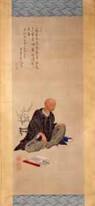
Communication with the West
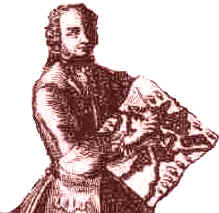
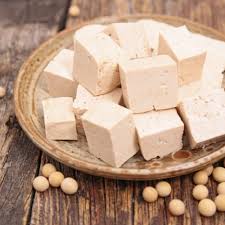
Consciousness of seclusion was a result of Dutch influence on the Japanese². Shizuki Tadao, a Rangaku scholar, came up with the word “sakoku” (Japanese for the Tokugawa seclusion system) as a way to help translate Kaempfer’s, a German who introduced soy to the West³, defense system to authorities². Soy was used in many products such as tofu, soy sauce, etc. The Tokugawa seclusion system was difficult to maintain with Rangaku since it was harder to secure knowledge from Japan². Along with the seclusion system, the Japanese would then go on to establish multiple sources which would help identify and translate reports of various plans from the West². Overall, Rangaku was a helpful way for the Japanese to communicate with the West.
author: agetz
Sources:
- Britannica, The Editors of Encyclopaedia. “Rangaku.” Encyclopædia Britannica. November 15, 2018. Accessed April 27, 2019. https://www.britannica.com/topic/rangaku.
2. Jansen, Marius B. “Rangaku and Westernization.” Modern Asian Studies. January 01, 1984. Accessed April 27, 2019. https://www.jstor.org/stable/312333?seq=1#metadata_info_tab_contents.
3. Bowers, John Z. “Engelbert Kaempfer: Physician, Explorer, Scholar, and Author”. July 1966. Accessed 13 May 2019. https://www.jstor.org/stable/24621581?seq=1#page_scan_tab_contents.
Photos courtesy of Google Images (links attached to captions)
