Extra Credit Question:
A new source of poetry?- Haiku
“Heterodox Trends”
What is heterodox?
- Deviation from the established way of religion
- Wanting to mix things up
- Changing the original teachings
What is orthodox?
- An established and direct way of religion
- To follow the traditional rule of religion
Primary Source Presentation:
Neo-Confucianism in Tokugawa Japan by Cundo Li
https://docs.google.com/presentation/d/1bwlmEvO1VCzePaeHHcbmrk1jb8d84Cv-IBF_seWn1Q8/edit#slide=id.p
Background:
Social and political order: establish a more stable Japan, keep political/social order.
- Buddhism was very popular but the presets rebelled against the government.
- A lot of people fled to Japan and brought their ideas with them
- Chinese scholars also fled to Japan and brought Neo-Confucianism to them
Neo-Confucianism
-
- Influenced by Daoism and Buddhism
- Flourishing in Song (960-1279)
Cheng-Zhu School
- Orthodox
- Zhu Xi (1130-1200)
- School of principles
- Follow five constant virtues
- highly conservative social structures
- Based on Chinese traditions of the exam system
Hayashi Razan (person)
- He used the idea of Zhu Xi to justify the authority of the Tokugawa Bakufu and the social order dictated by it
- Contain a lot of Daoist ideas (yin yang, five elements, either, the way)
- Relationship between ruler and subject
- Unity of Shintoism and Confucianism (this makes Confucianism more powerful as a result)
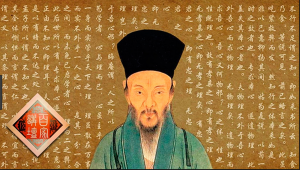 Lu-Wang School (Wang Yangming pictured above)
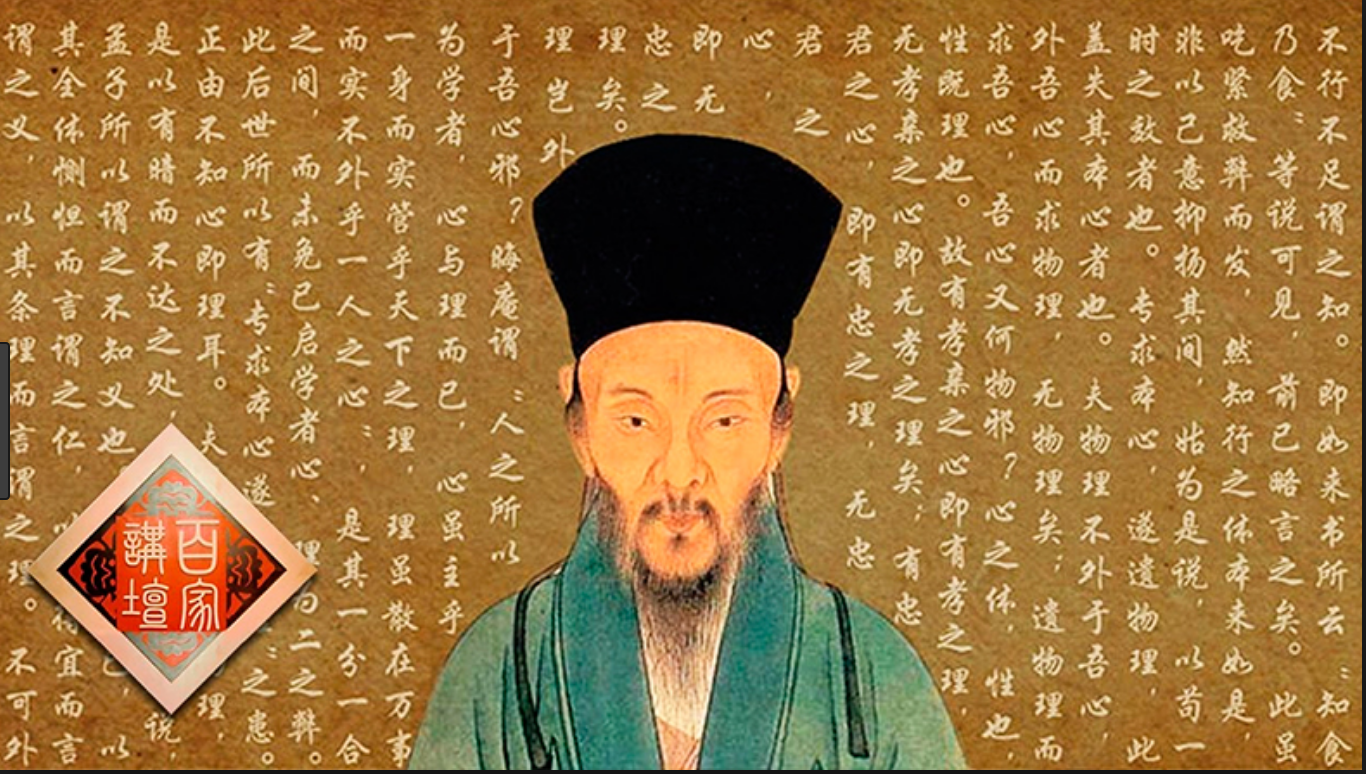
-
- Wang Yangming (well known scholar)
- School of the mind
- Innate knowing (knowing the difference between good and evil)
- Rejected the idea of the four classes
- Lead to a shift of bushido
- Unity of knowledge and action
Nakae Toju
- Confucian philosopher
Razan Vs Toji
-
- Razan teaches you how to do, what the ruler told you to do
- Dictation v intuition
- Obey the ruler vs loyal to the ruler in your mind
- Do not just obey your parents, love and respect them= toju
Neo-Confucianism and Buddhism
-
- Connection between them
- Neo Confucianism weakened the importance of Buddhism
- Reconstruction of social order (laws, bushido)
Razan VS Toju
- Razan- Listen to your ruler/master. Internal appearance.
- Toju- Listen to your ruler, because it will benefit them. External appearance.
If you were the ruler of Tokugawa, would you choose Razan’s or Tojo’s idea to stabilize the state?
Lord Kira and Lord Asano
- Lord Asano was attacking Lord Kira because he had a deep grudge against Lord Kira
- Lord Asano- to commit suicide along with 47 others.
- Most people did not think that Lord Asano committed the crime in the end
Were the forty-seven ronin right?
- Most students said the crime might have been unjust but they followed their moral code
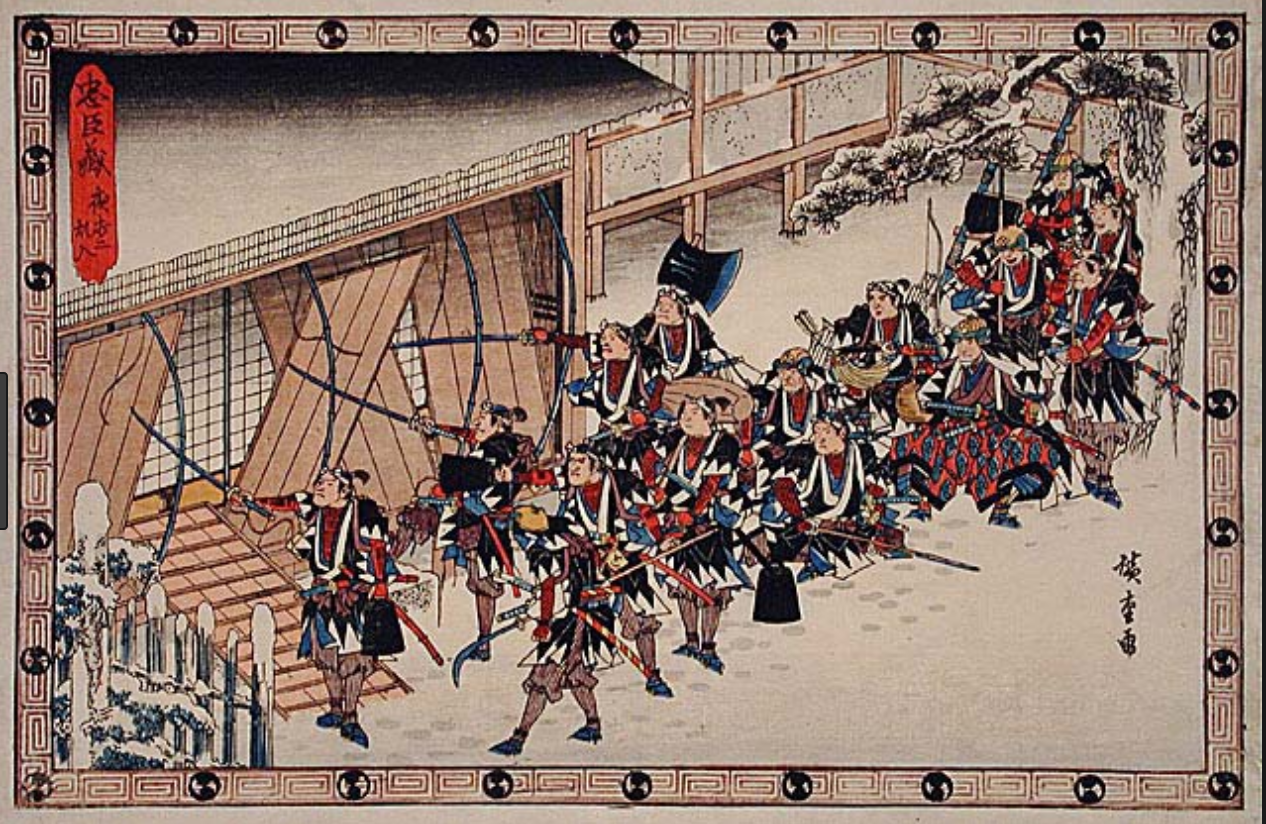 The Forty-Seven Rōnin
- Lord Asano said he bore no personal grudge against the shogunate, but harbored a deep grudge against Lord Kira
- You don’t just do that in the palace of the shogun, did Kira do something to push him over the edge? It is not difficult to make this assumption
- The rōnin believe Kira is the reason Asano is no longer alive
- Some say the verdict is much too one-sided
Class Opinions on Whether the Forty-Seven Rōnin were correct or not:
- It is part of the code of honor to defend their master, but it is also the rule to follow the authorities
- Could stand on the moral leg, but not the moral one
Bōshido Texts:
- Very controversial
- Student’s ideas involve if it is possible that he was struggling what the idea of a true warrior
- When is honor before reason really important?
- What is the true spirit of the warrior really about? The forty-seven ronin then question this idea. Should they really rush to their death? They knew they would be executed anyway so why not make sure they get it done right the first time?
Pictures:
http://bhoffert.faculty.noctrl.edu/REL260/25.WangYangming.html
https://medium.com/@srisivan.k/the-revenge-of-the-forty-seven-ronin-a-retelling-88df3e451e0b
